High-income economies have had ultra-cheap money for more than five years. Japan has lived with it for almost 20. This has been policy makers’ principal response to the crises they have confronted. Inevitably, a policy of cheap money is controversial. Nonetheless, as Japan’s experience shows, the predicament may last a long time.
The highest interest rate charged by any of the four most important central banks in the high-income economies is 0.5 per cent at the Bank of England. Never before this period had the rate been below 2 per cent. In the US, the eurozone and the UK, the central bank’s balance sheet is now close to a quarter of gross domestic product. In Japan, it is already close to half, and rising. True, the Federal Reserve is tapering its programme of asset purchases, and there is talk that the BoE will soon tighten policy. Yet in the eurozone and Japan the question is whether further easing might be needed.
Author: Jim Zellmer
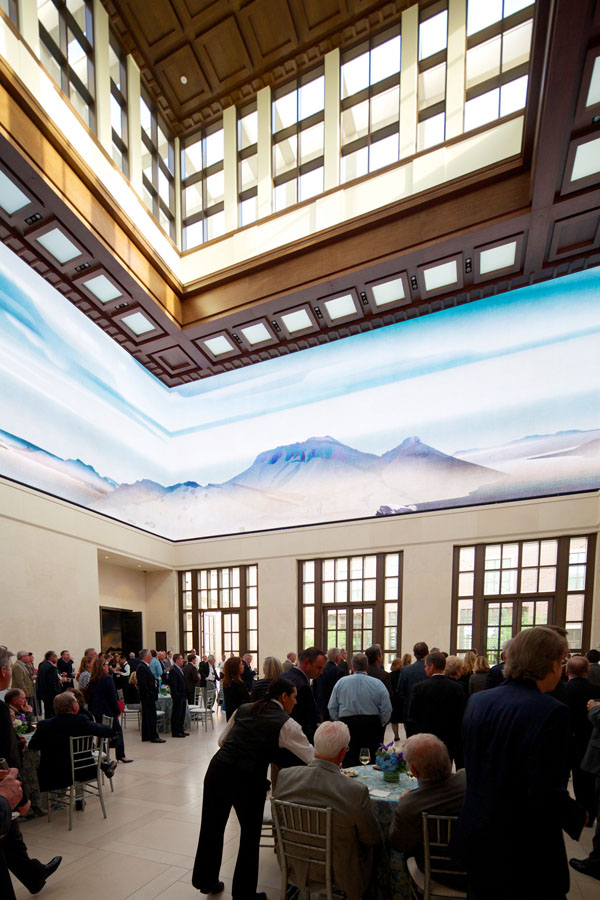
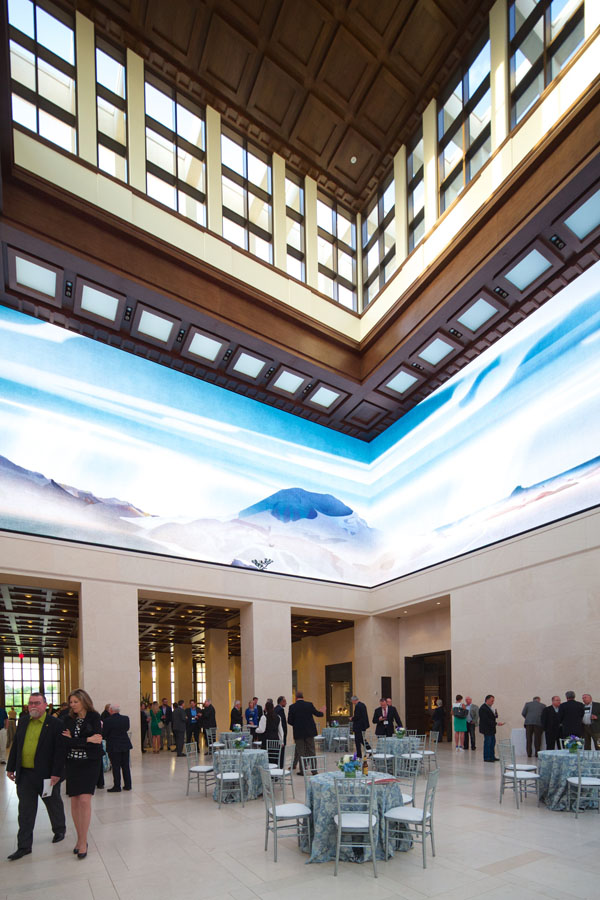
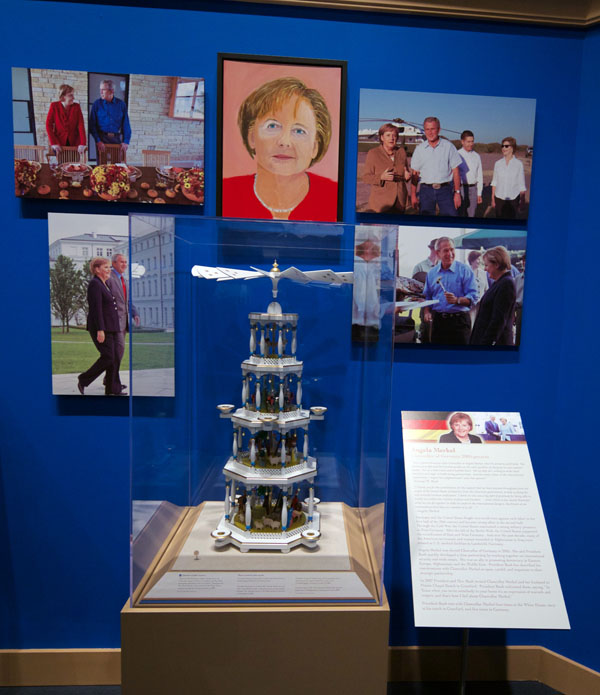
George W Bush Presidential Library Panorama & Photos
A recent conference included an interesting visit to the George W. Bush Presidential Library.

Still Images




iPhone 5c Outdoor Advertising: Downtown Dallas, TX

While on travel recently, I wondered a bit around downtown Dallas and found the massive iPhone 5c advertisements interesting. Aimed at nearby freeway traffic, the Apple imagery was “complemented” by similar “fast follower” Samsung placements. I noticed the Samsung advertisements during a later drive. However, I lacked the time to photograph them.
Samsung’s USA mobile phone business is headquartered in nearby Plano.
Tap on the images below to view larger versions.
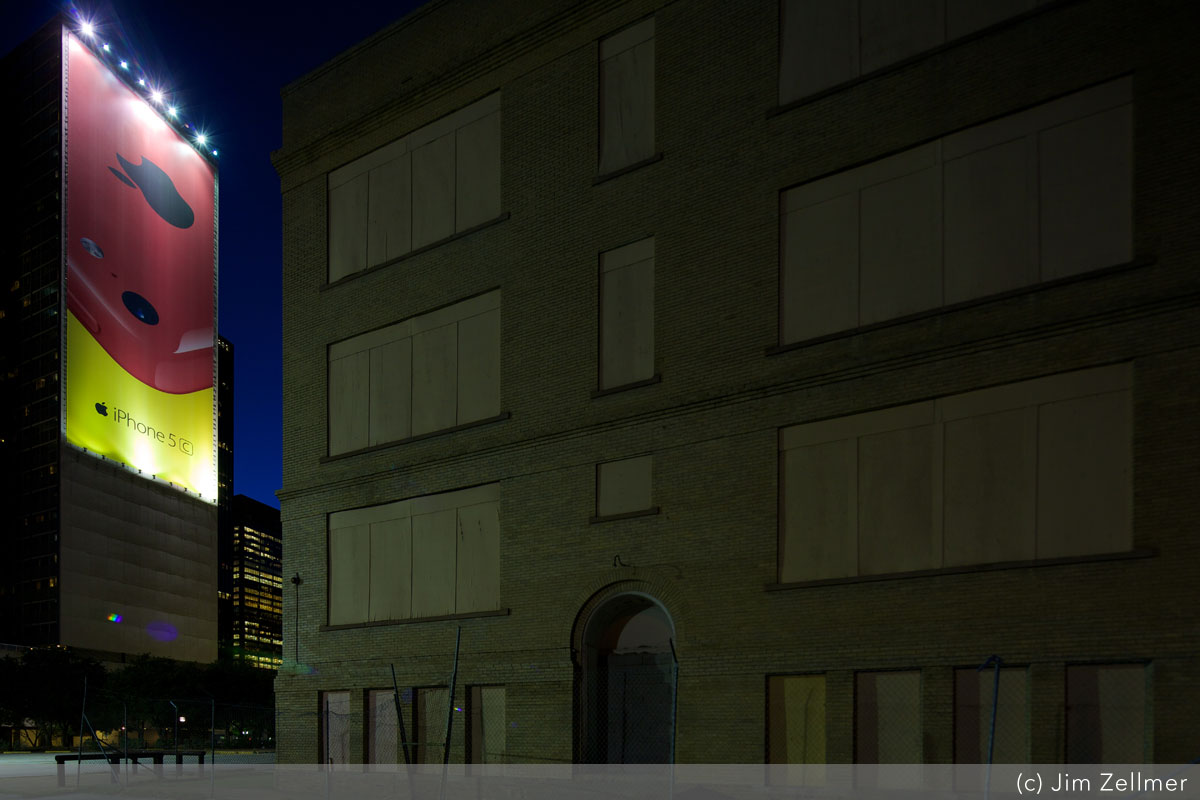
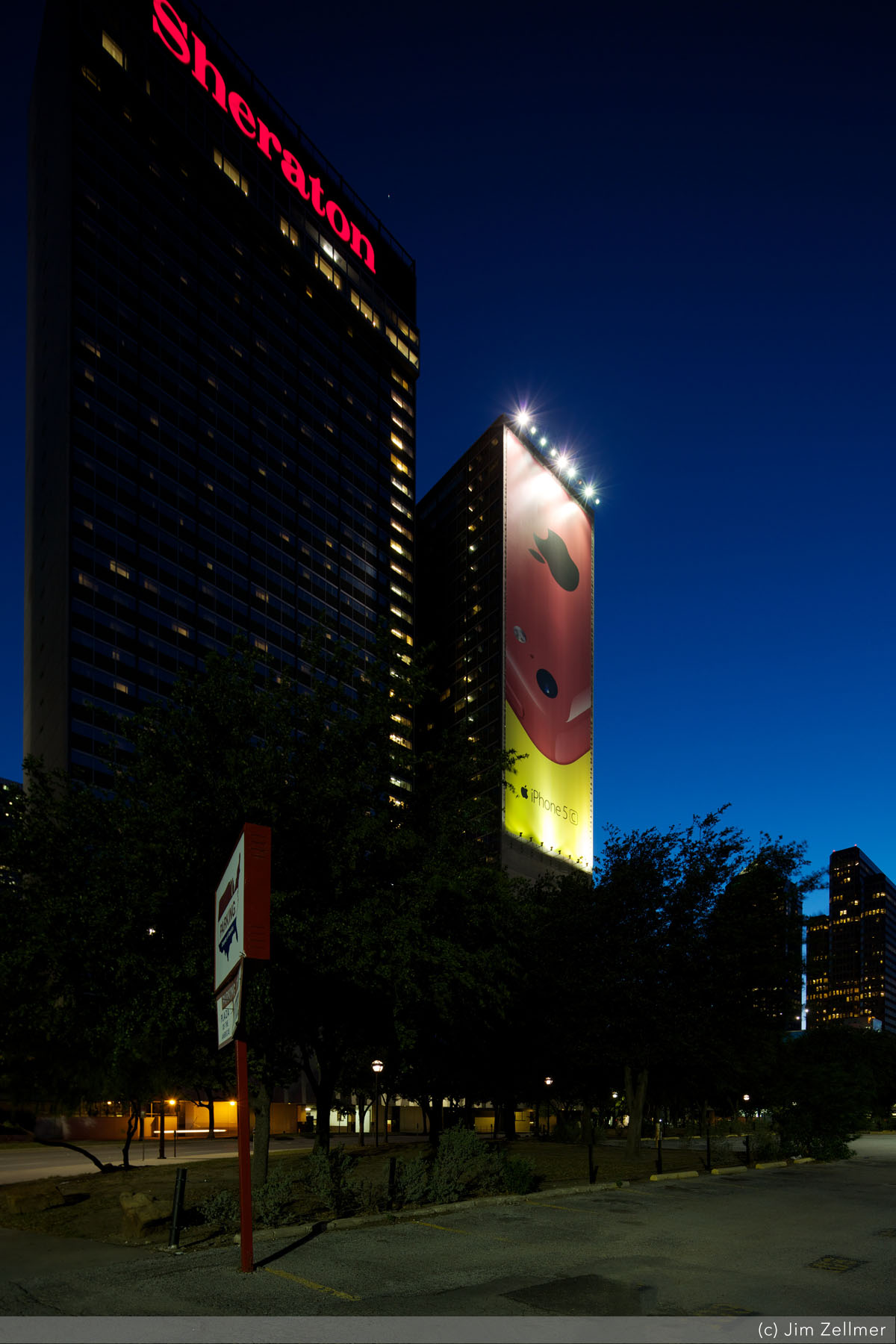

The Apple advertisements’ location can be seen in context via this iOS maps app screenshot:

Madison Sunset: Easter 2014

Panoramas & Photos: Tufte + Feynman @ Fermilab
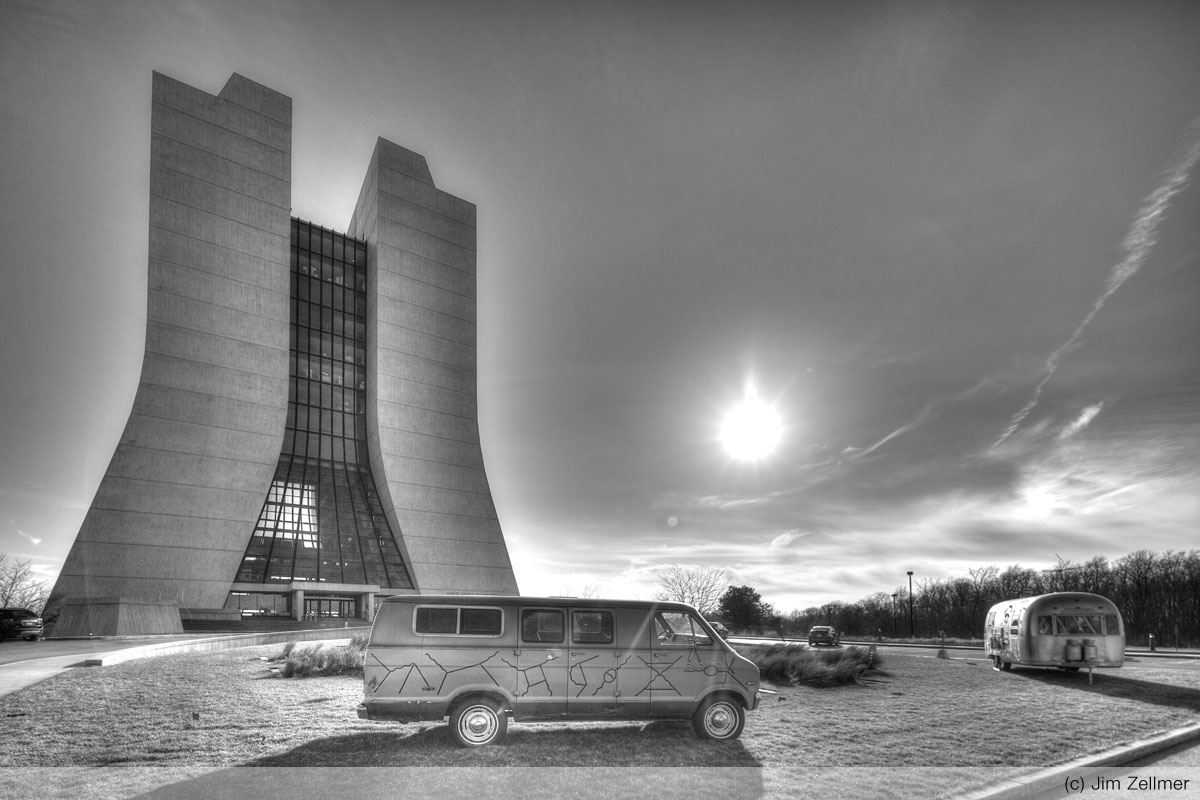
Panoramas (tap to pan & zoom)



Still Images (tap for a larger version)
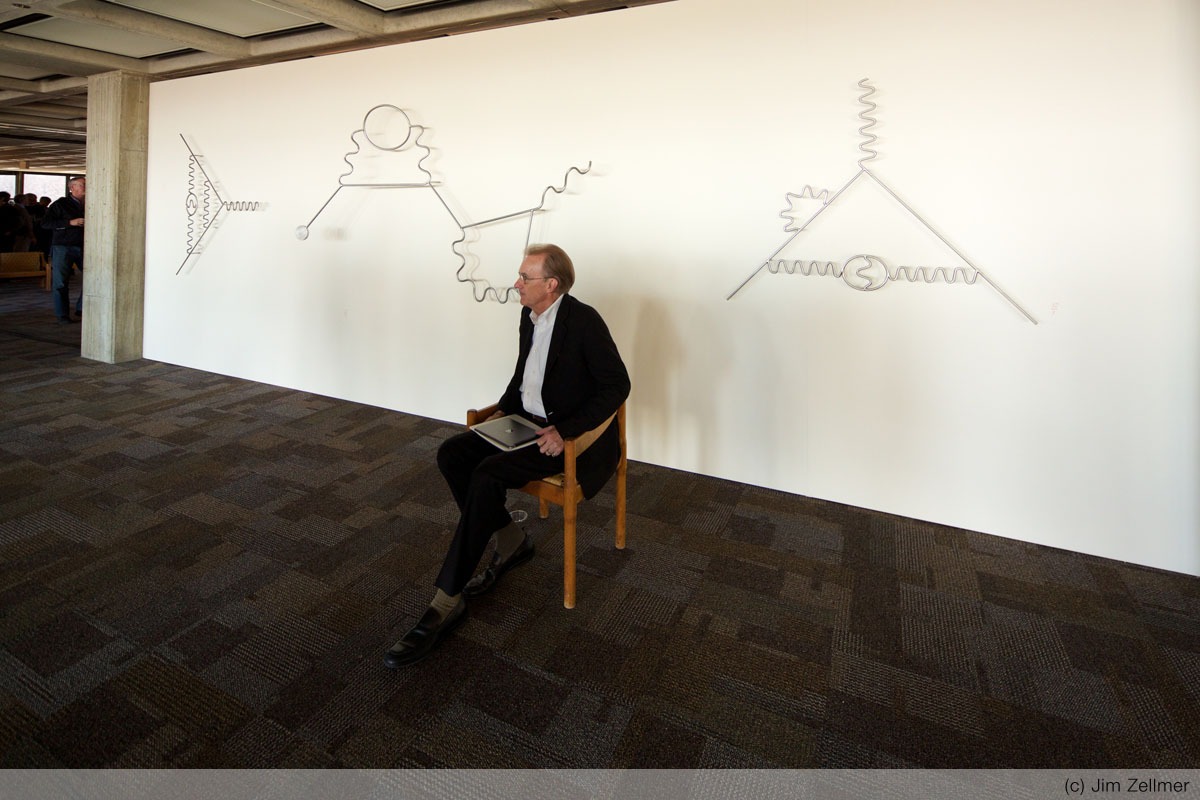
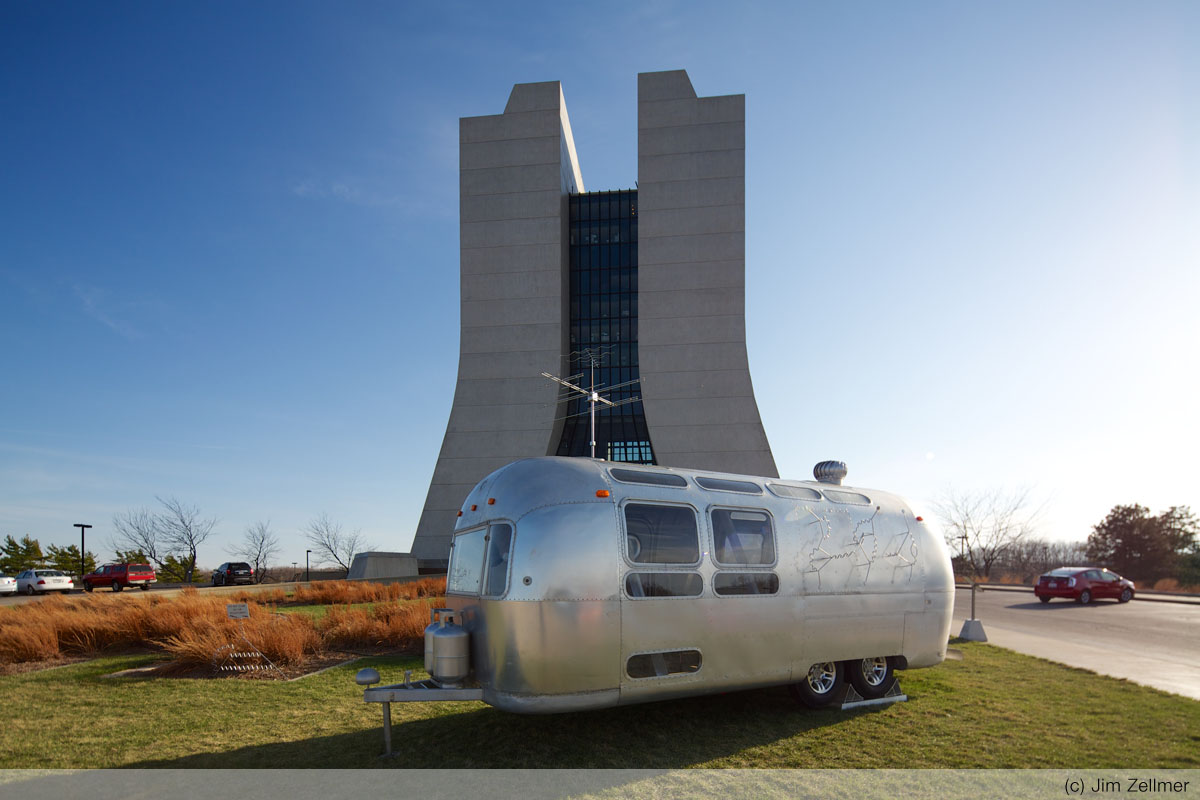
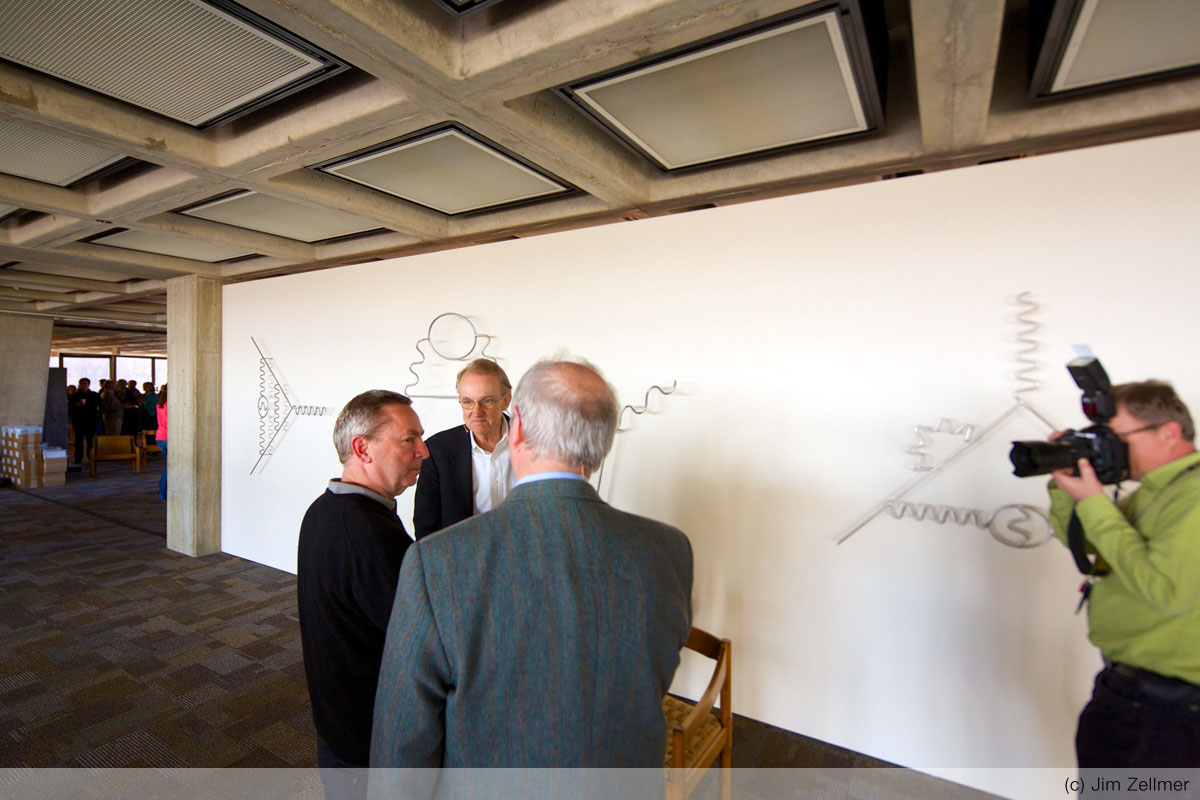
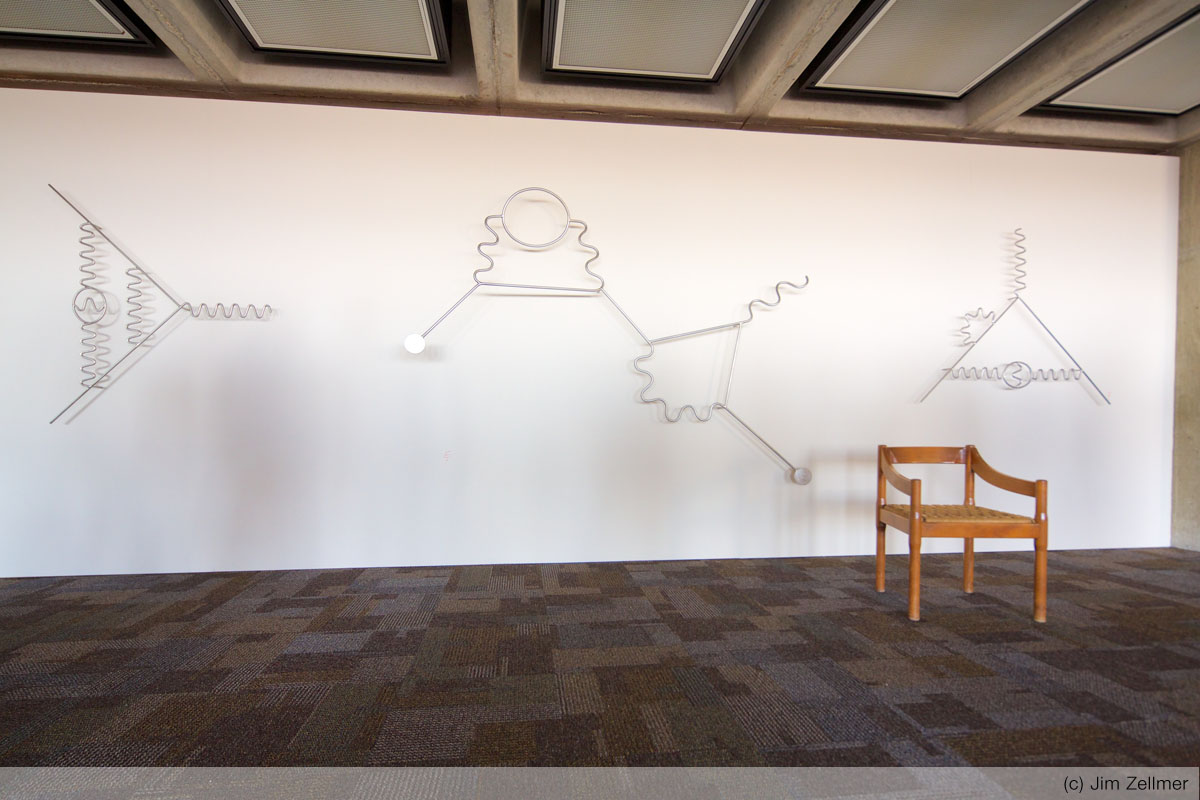

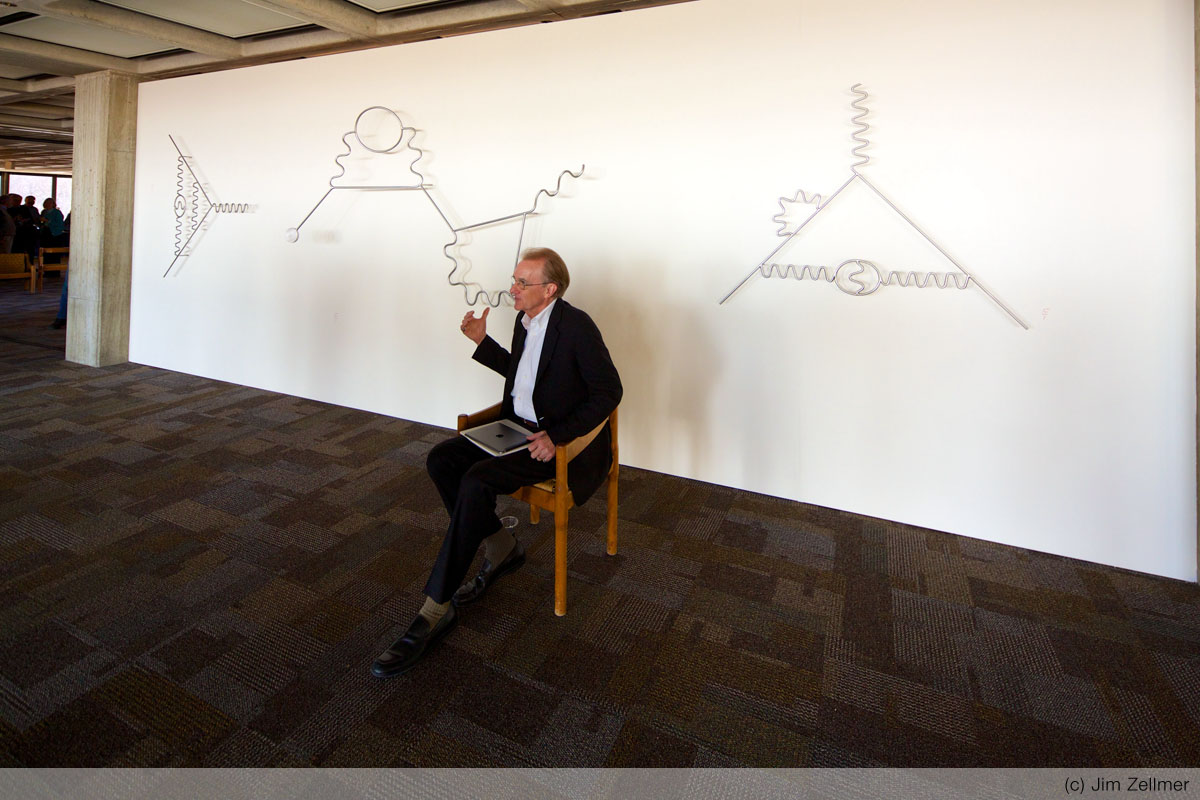
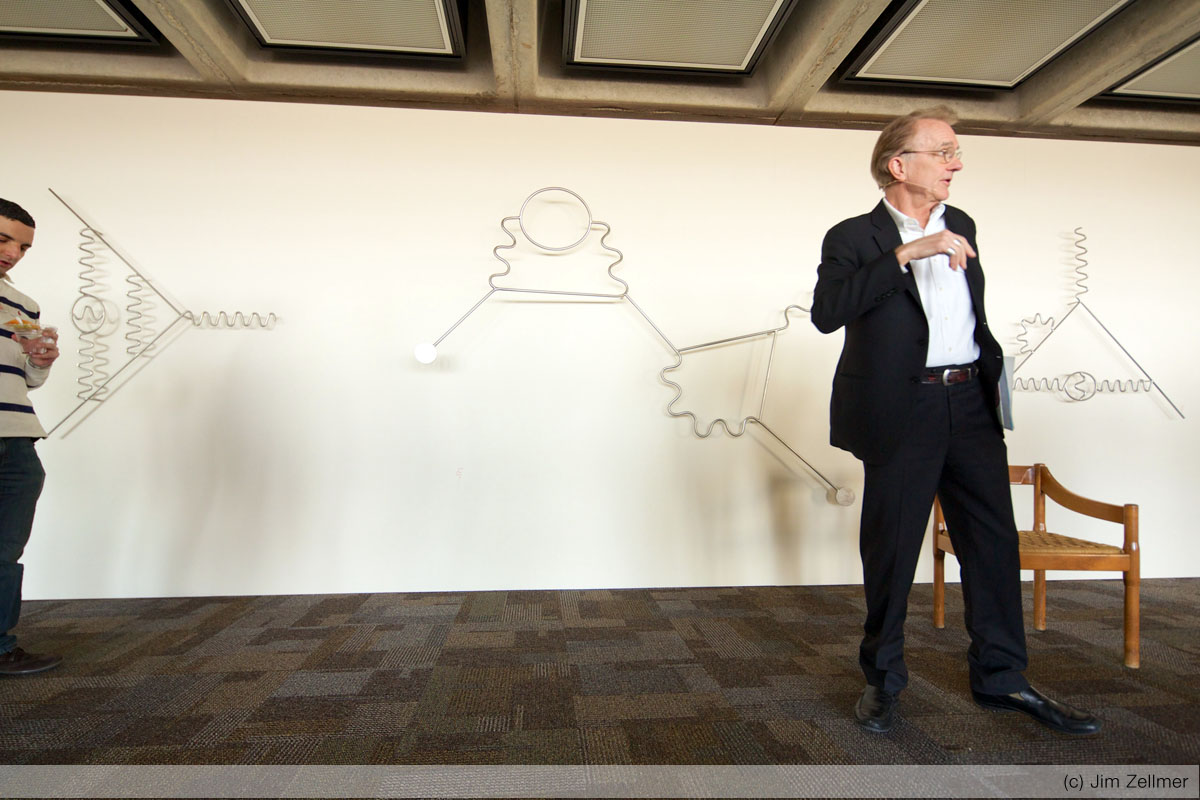
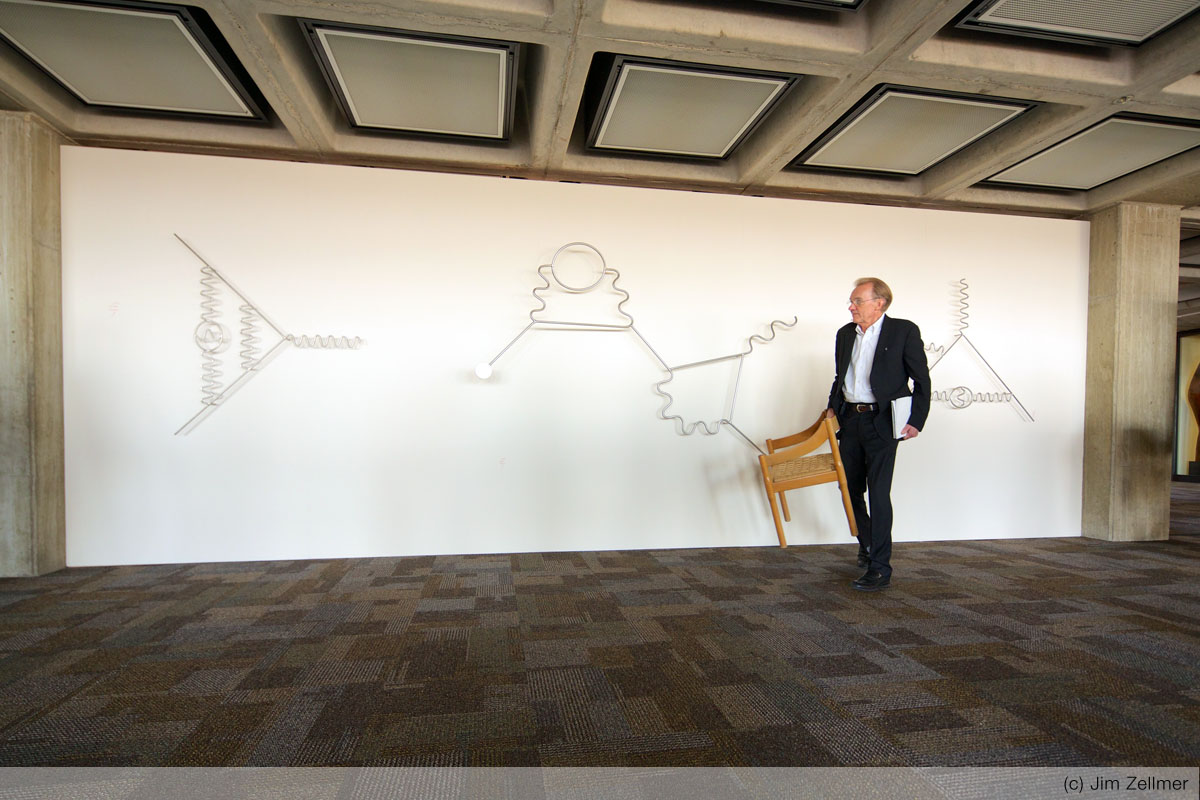
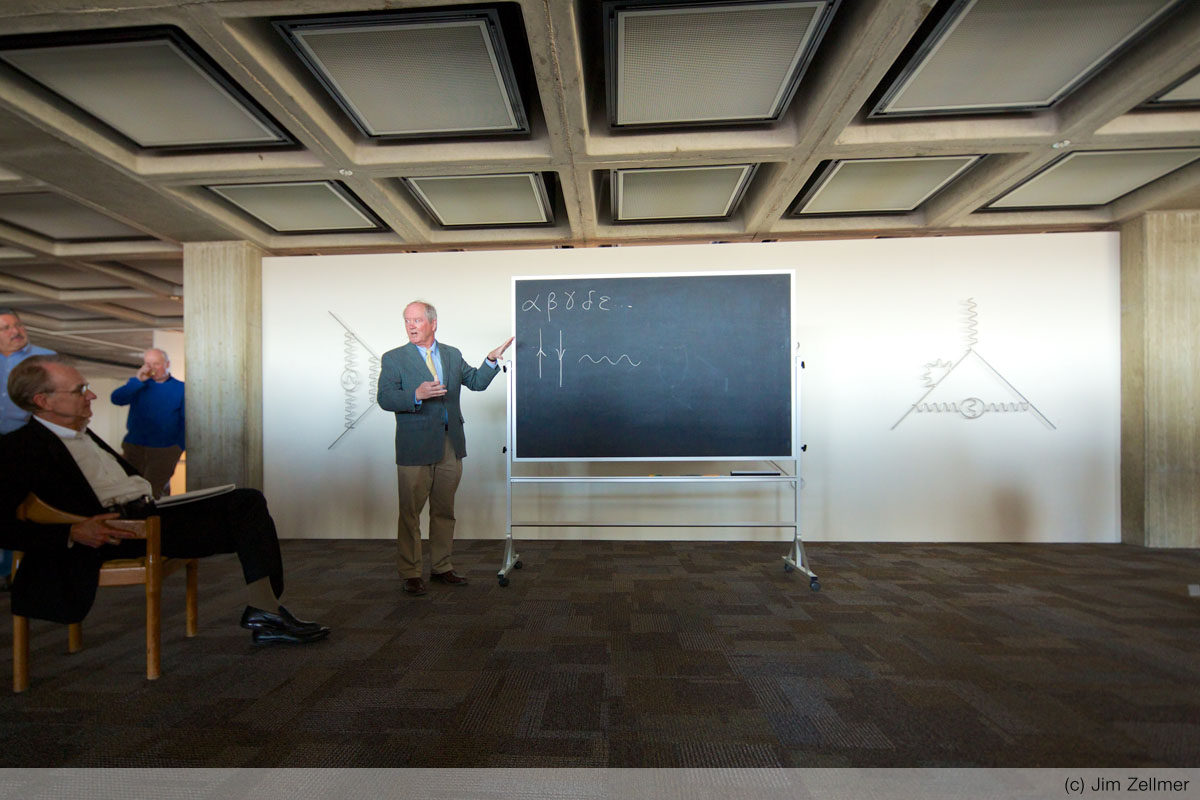
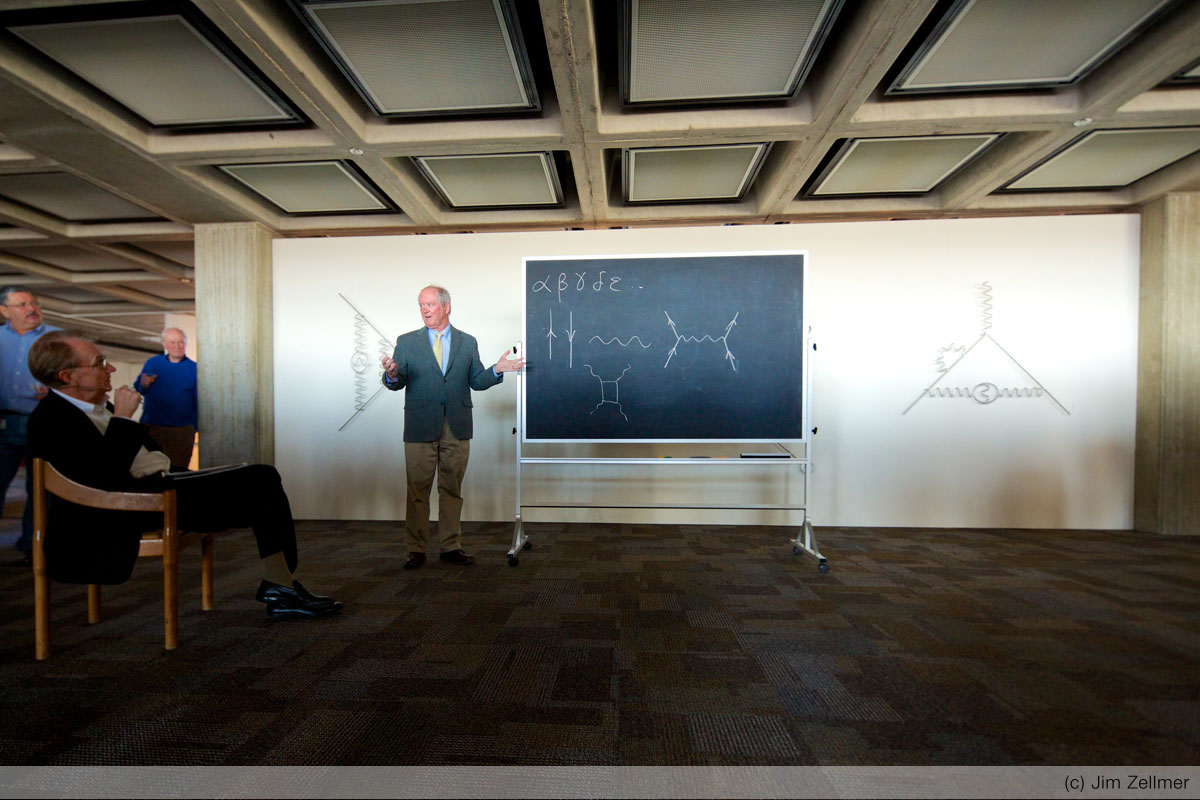
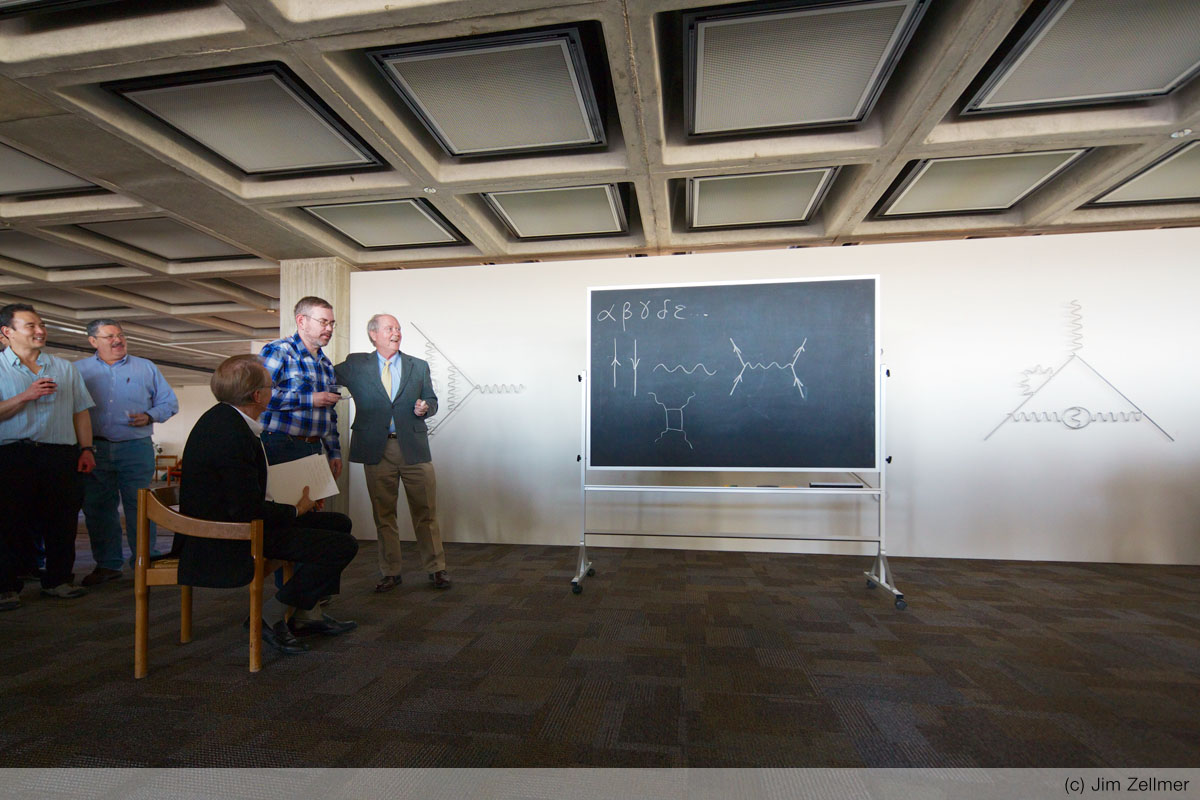
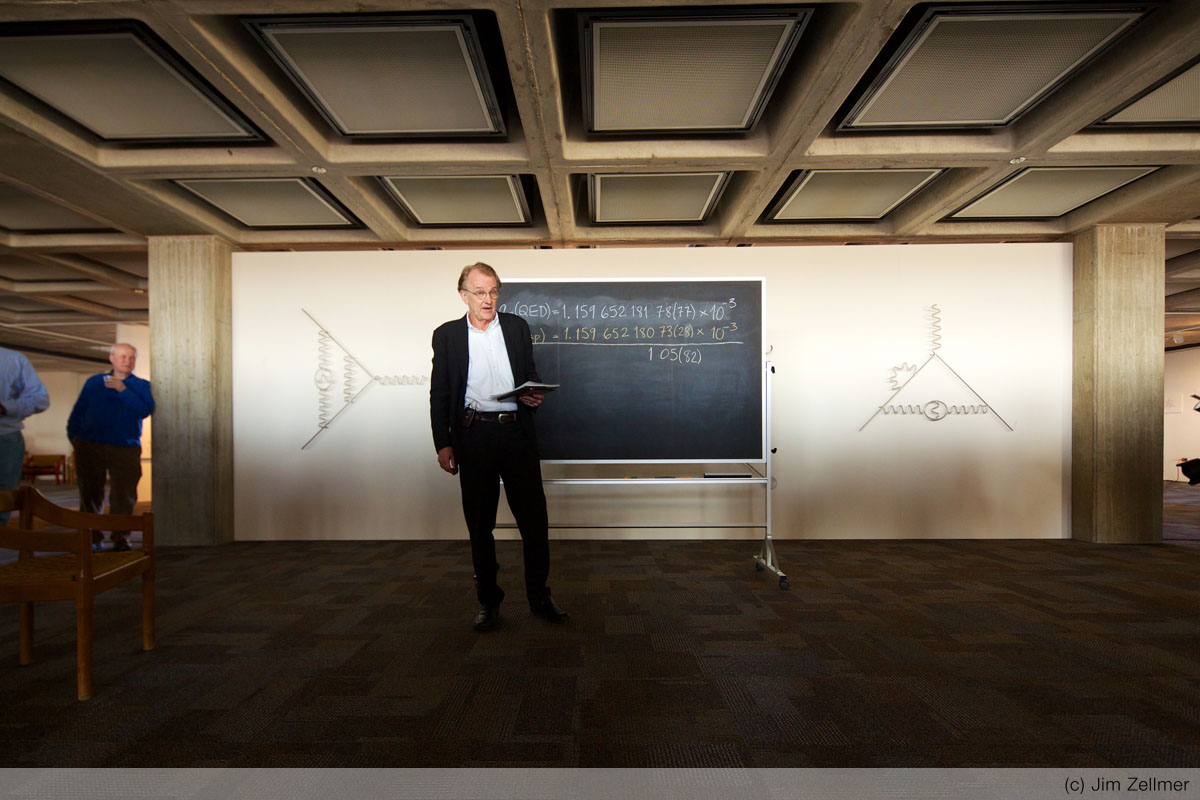
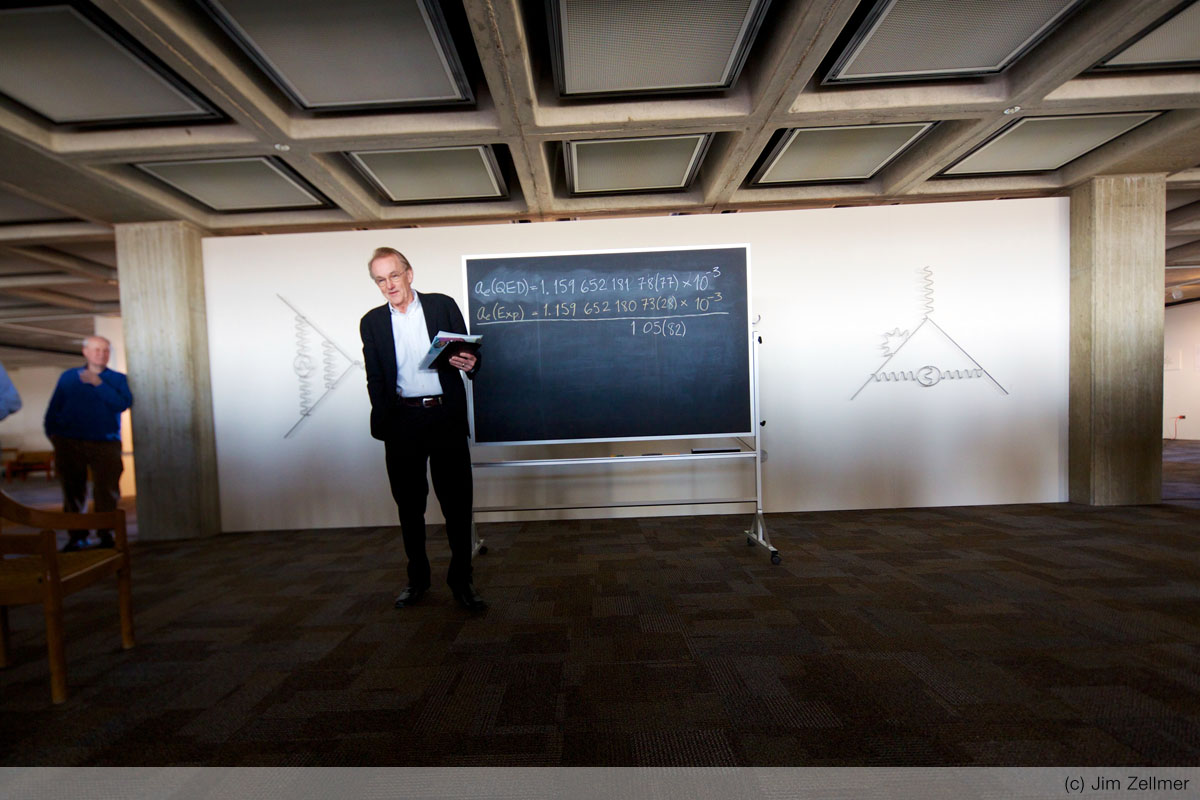

Event website: April 12 – June 26, 2014
Farewell Letter
For reasons of health, Gabriel Garcia Marquez, Colombia’s illustrious Nobel Laureate for literature, has declared his retirement from public life. He has terminal cancer and sends this letter of farewell to friends and lovers of literature.
If God, for a second, forgot what I have become and granted me a little bit more of life, I would use it to the best of my ability.
I wouldn’t, possibly, say everything that is in my mind, but I would be more thoughtful l of all I say.
I would give merit to things not for what they are worth, but for what they mean to express.
I would sleep little, I would dream more, because I know that for every minute that we close our eyes, we waste 60 seconds of light.
I would walk while others stop; I would awake while others sleep.
If God would give me a little bit more of life, I would dress in a simple manner, I would place myself in front of the sun, leaving not only my body, but my soul naked at its mercy.
To all men, I would say how mistaken they are when they think that they stop falling in love when they grow old, without knowing that they grow old when they stop falling in love.
I would give wings to children, but I would leave it to them to learn how to fly by themselves.
To old people I would say that death doesn’t arrive when they grow old, but with forgetfulness.
I have learned so much with you all, I have learned that everybody wants to live on top of the mountain, without knowing that true happiness is obtained in the journey taken & the form used to reach the top of the hill.
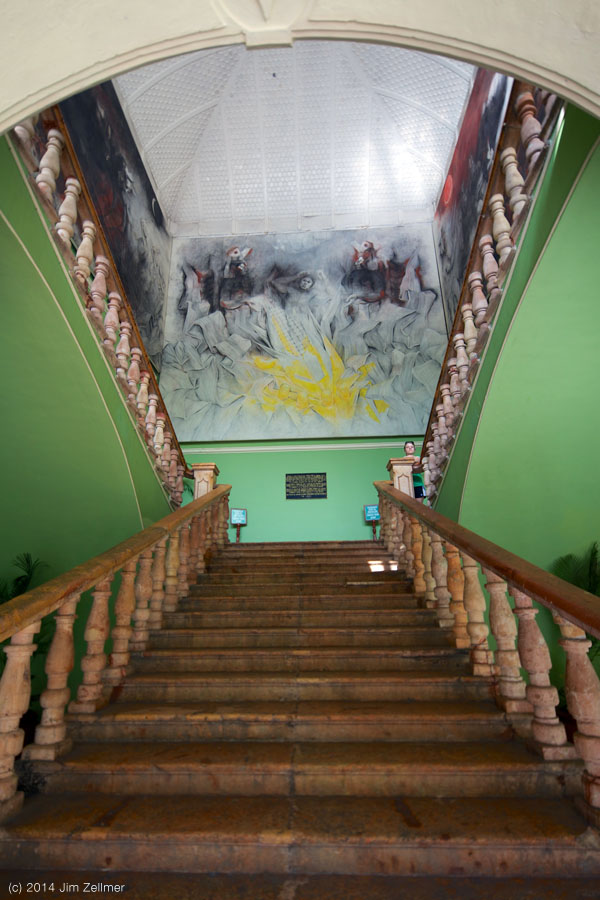
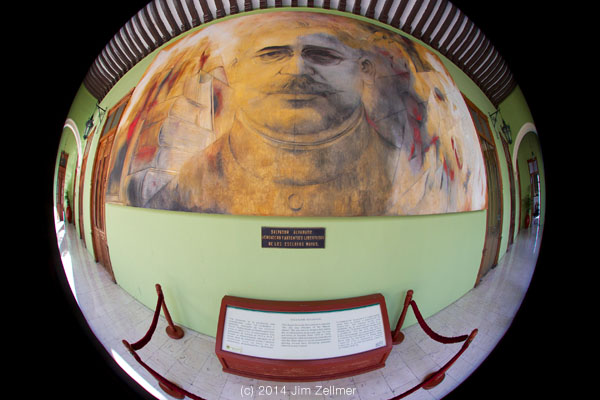
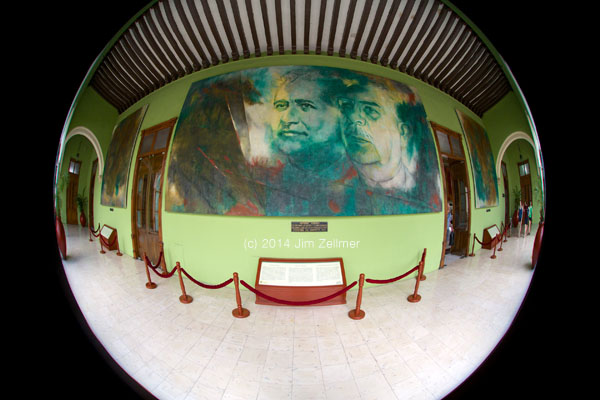
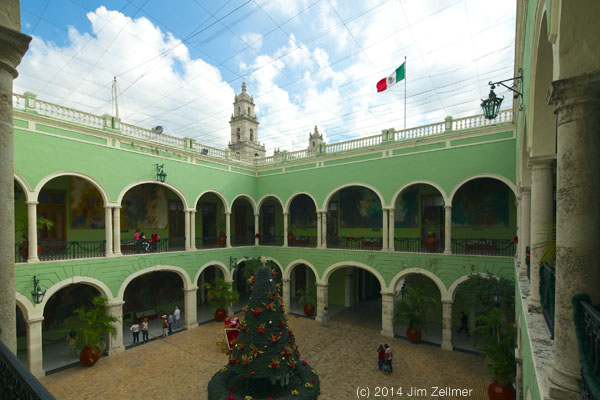
Palacio del Gobernador (Merida) Panoramic Images & Fernando Castro Pacheco Murals
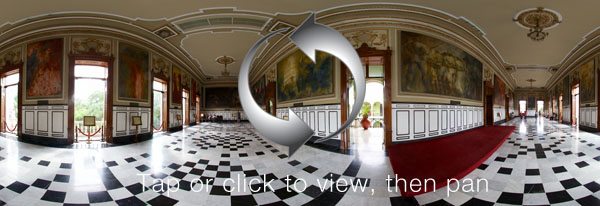
Two additional panoramas: Staircase Courtyard.
Wikipedia on Fernando Castro Pacheco:
Between 1971 and 1979 Castro Pacheco completed 27 murals for the governor’s palace in Mérida, Yucatán. These murals depict what some consider the realities of life in the Yucatán after the Spanish conquest as well as images and myths of native Maya tribes indigenous of the Yucatán region. The murals depict scenes of work and torture that the native peoples of the Yucatán endured under Spanish control. The reality of early henequen workers are seen in El henequen. A traditional creation myth of the native tribes is also depicted by Castro Pacheco in his work Hombres de maiz. The murals are oil paintings on large format canvas.
Lonely Planet.
Wikipedia on Merida.
Life Begins at 40
To celebrate our VW Beetle’s 40th birthday we decided to take it home. Having been built in Germany in 1972 she spent most of her life in Britain. 40 years later it seemed a fitting celebration to go back to the factory.
“one in which massive venture-capital injections allow money-losing start-ups to flourish”
Yesterday, I ordered lunch from a gourmet meal-delivery start-up called SpoonRocket – a takeout container of sirloin au poivre and roasted cauliflower that was shuttled to my door in exactly 11 minutes, costing me $8. I then took an UberX car to a meeting across town, paying roughly $10 for a 15-minute ride. On my way, I pulled out my phone to see about getting my broken dryer fixed through Handybook, which provides on-demand repairs in the Bay Area for less than a local handyman would charge.
There are dozens more services like these operating in and around San Francisco – Homejoy for cleaning, BloomThat for flowers, Postmates for courier service, and on and on. Most of them provide cheap, convenient amenities at the tap of a smartphone app. Few of them are profitable on a corporate level. And together, they’ve formed the backbone of a strange urban economy: one in which massive venture-capital injections allow money-losing start-ups to flourish, while providing services that no traditional, unsubsidized business can match. It’s an economy built on patience, and the hope that someday, after the land grab is over and the dust has settled, a better business model will emerge.
It’s hard to know which of today’s new start-ups are unprofitable. But in some cases, losing money is kind of the point. I have no inside information on SpoonRocket’s financials, for example, but I imagine that the company books a loss of a few cents every time I click the order button. (There’s just no way, short of a supply-chain miracle, that my $8 covers the cost of preparing a gourmet lunch, driving it to my house, and paying all the drivers and cooks and engineers and assorted other costs associated with running their business.) But SpoonRocket doesn’t have to make money, because it’s just raised $10 million in venture capital expressly so it can keep its prices low. The metric its investors care about right now is user growth, not profits. And if, indeed, the company is selling meals for less than they cost to make, those investors are willing to fill the gap.
Via Steve Crandall.
How mobile is taking over the web
The latest Comscore figures reveal people are using the web less and less. Total Internet audience is stable in the US with 222 million unique monthly visitors. But from February 2013 to February 2014, the average time spent on the web per visitor went down by a scary 17 percent from 35 hours per month (2108 minutes) to 29 hours per month (1741 minutes).
News Websites are Shrinking. Quickly.
News websites are especially suffering from this dramatic shift. Yahoo News, the number one news website in US with 73 monthly million unique visitors, dropped by 25 percent to 54 million unique visitors over the last year. Even worse, the average time a user spends on the site went down 14 percent. Usually when the base decreases, the average number of minutes remains relatively constant because the site retains its core users. In this case, both users and time decreased dramatically, signaling a sea change in user behavior. In another example, NYTimes.com saw a decrease in users by only 6 percent but the total number of minutes spent on the site fell by 41 percent. What Yahoo! And The New York Times are experiencing is a global trend, as illustrated in the graph below. The web news industry isn’t just losing users, but time spent on their sites at an impressive speed.